How Does the 4-Second Rule Stop Voice Clone Scams?
Scammers need about 3 seconds of your loved one's voice to clone it. The defense is four seconds long. Pause, say "Let me call you back," and dial the number already saved in your phone.
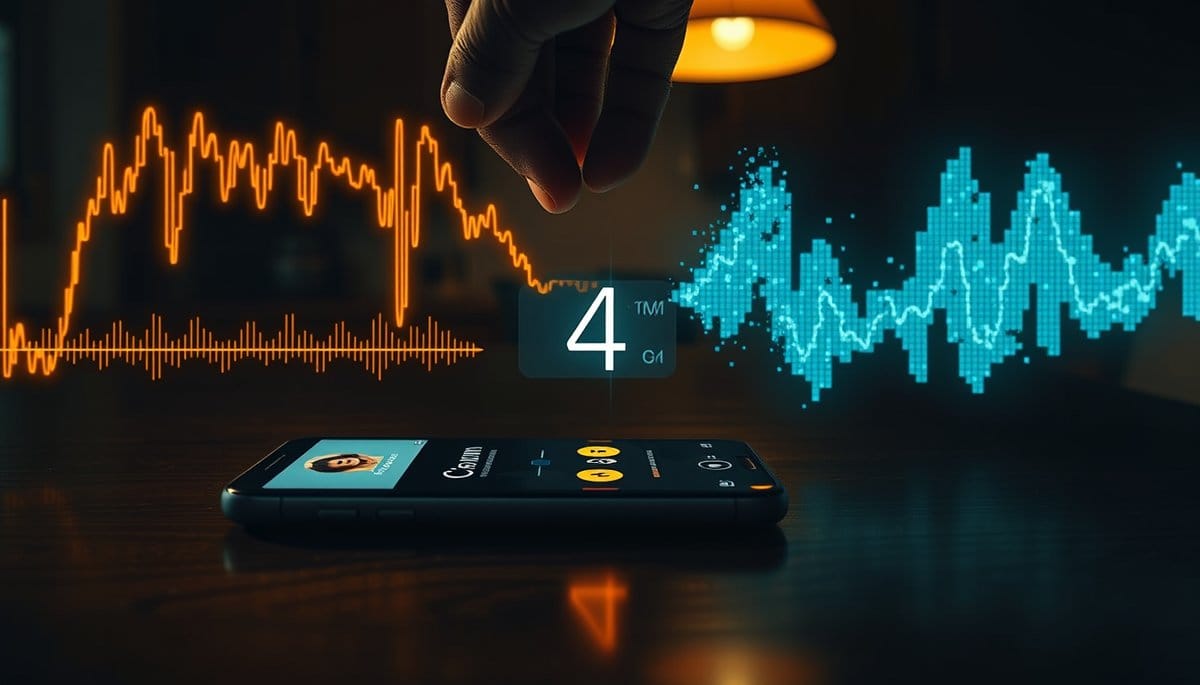
The 4-second rule means this: when a familiar voice calls unexpectedly asking for money, secrecy, or speed, stay silent for four seconds. Then say "Let me call you back," hang up, and dial the number already saved in your contacts. AI can clone a voice from about 3 seconds of audio, so the sound of the voice proves nothing. Only a callback to a number you control does.
The Call That Sounded Exactly Like Her Daughter
In January 2023, Jennifer DeStefano of Scottsdale, Arizona, answered a call from an unknown number. Her 15-year-old daughter Brie was away on a ski trip. On the line, Brie was sobbing: "Mom, I messed up." Then a man took over. He said he had her daughter and demanded $1 million, later dropping the price to $50,000.
The voice was Brie's crying, her inflection, her way of saying "Mom." DeStefano said later she never doubted it for a second.
The rescue came from the people around her. Another mother at the studio where DeStefano was standing called 911. Someone reached DeStefano's husband, who tracked down Brie. She was safe, resting with the ski group, and completely unaware.
DeStefano told the story to a U.S. Senate committee in June 2023. Her testimony shows the shape of nearly every cloned-voice scam:
- A short emotional burst in a voice you trust - A handoff to a stranger who controls the conversation - A demand that you stay on the line and tell no one
She was saved because someone else made a call on a separate line. The 4-second rule lets you do that yourself, even when you're alone.
How the 4-Second Pause Breaks the Scam
The rule works in four beats, roughly one per second:
1. Notice the trigger. Money, urgency, or "don't tell anyone." Any one of the three activates the rule. 2. Breathe out. Slowly. The scam depends on you answering before you think. 3. Pick your callback route. Use the number saved in your contacts, never the one that just called you. 4. Say the script. "Let me call you back." Four words. Skip the explanation.
Then hang up. Actually end the call. Don't put it on hold.
If the caller pushes back with "There's no time!" or "They'll take my phone!", treat that pushback as confirmation. A real person in trouble can survive a 30-second callback. A scam can't.
I'll be upfront: the FBI didn't invent this, and no agency has made four seconds an official standard. I use it and teach it because four seconds is long enough to interrupt the panic reflex and short enough that people will actually do it while scared.
The hard part comes next. Sometimes your callback goes to voicemail because their phone is dead or they're on a flight, and the fear doubles. Decide now on a second person to call, such as a spouse, roommate, or coworker. In December 2024 the FBI also recommended a family safe word. Use it as a backup layer.
Inside the Fake Call: From TikTok Clip to Wire Transfer
Building one of these calls takes less effort than most people assume. The chain looks like this:
| Step | What the scammer does | What you'd notice |
|---|---|---|
| 1. Harvest | Grabs 3 to 30 seconds of audio from TikTok, Instagram stories, a voicemail greeting, or YouTube | Nothing |
| 2. Clone | Feeds the clip into a voice-cloning tool. Several commercial services work from under a minute of audio | Nothing |
| 3. Spoof | Fakes caller ID to show your relative's real number, or uses an unknown number with a story ("I borrowed a phone") | Sometimes a strange number |
| 4. Script | Opens with a few cloned lines of crying or panic, then hands off to a "lawyer," "cop," or "kidnapper" | Urgency, secrecy |
| 5. Cash out | Demands a wire transfer, crypto, gift cards, or a courier who comes to your door | Unusual payment method |
In a 2023 McAfee study, researchers needed just 3 seconds of audio to produce a clone with an 85% voice match. The clone usually says very little, and that's deliberate. A short burst of a loved one's voice is far harder to catch than a long conversation, so a live human accomplice handles everything after the first few lines.
Step 3 should worry you most. Caller ID was never built to authenticate anyone. Spoofing a number is cheap, and most phones can't tell the difference.
Why Your Ears and Your Caller ID Will Betray You
Most guides tell you to listen for robotic glitches, odd pauses, or flat emotion. That advice is outdated, and I think it does harm, because it teaches people to trust any call that sounds normal. In McAfee's survey of 7,000 people, 70% said they weren't confident they could tell a cloned voice from the real one.
Three things work against you:
- Panic narrows your attention. A crying child's voice sets off a stress response almost instantly. Careful thinking comes back online later, which is exactly what the pause buys you. - Caller ID shows a familiar face. One detail surprises almost everyone I walk through this. A spoofed call from your daughter's number shows her name and her contact photo. Your phone matches the incoming number against your address book. It has no idea who is actually dialing. - Bad audio gets explained away. Scammers mention a car crash, a broken nose, or a weak signal. Every flaw becomes part of the story.
If you plan to quiz the caller with "What's our dog's name?", you're wasting time. The answer is probably in your public photos. Hang up and call back.
Key Takeaways
FAQ
Q: What should a family safe word look like?
A: Pick a word or short phrase that has never appeared online and has nothing to do with pets, birthdays, or street names, something like "blue lantern." Share it in person only, never by text, and change it if anyone suspects it leaked.
Q: Doesn't hanging up on a real emergency put my family at risk?
A: A genuine emergency survives a 30-second callback, and police or hospitals will always pick up when you call their published numbers. The real limitation shows up when your loved one doesn't answer, which is why you need a second contact chosen ahead of time.
Q: How do I get my parents to actually use this?
A: Run a practice call this week: phone them from an unfamiliar number, ask for urgent help, and let them practice saying "Let me call you back" and hanging up. People who have rehearsed the script once are far more likely to use it under real pressure.
Conclusion
Your voice and your family's voices are already public, and no app can stop a cloned call from reaching you. The callback is the one defense that holds up, and it only works if everyone agrees on it before a crisis. Tonight, text your three closest people one sentence: "If I ever call asking for money urgently, hang up and call me back on my saved number."
💡 Lucas's Insight
Related Posts
- How Does the 4-Second Pause Stop AI Voice Fraud?
Scammers need about three seconds of your voice to clone it. You need four seconds of silence to beat them. The 4-second rule is a pause-and-call-back habit that works even when the voice on the phone sounds exactly like your daughter, your boss, or your mother. - How to Create a Family Safe Word for AI Voice Scams?
AI can clone your kid's voice from a 3-second TikTok clip and call your parents begging for bail money. A pre-agreed family safe word is the cheapest, fastest defense that actually works. Here's how to set one up tonight. - Why Are AI Voice Clones So Hard to Detect?
Your ears are no longer a reliable way to catch an AI-cloned voice message from a family member, especially after WhatsApp compression smooths out the glitches. The tells that still work are about context: urgency, secrecy, money, and details only the real person would know. The only dependable defe