How Do Fake AI Reviews Trick 1 in 4 Shoppers?
Malwarebytes found that more than 1 in 4 shoppers have already been hit by an AI-related shopping scam, and 42% of Gen Z have been caught. Fake stores now look flawless, so judging a shop by its looks no longer protects you. Check the domain age, the photos, and your payment method instead.
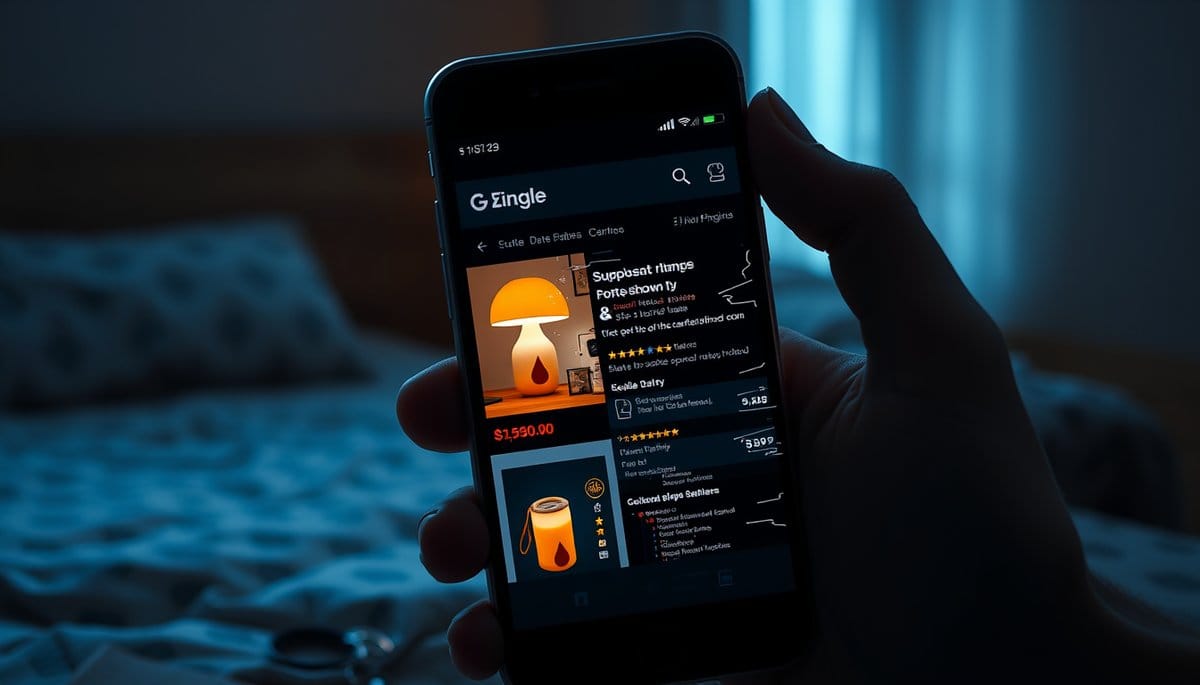
Yes, you are a target, and the odds are worse than most people assume. Malwarebytes found that more than 1 in 4 shoppers have already been hit by an AI-related shopping scam, through fake storefronts, AI-generated product photos, or machine-written reviews. Stop judging a shop by how professional it looks. Check how old the site is and how you are paying.
The $38 Mushroom Lamp That Never Existed
Picture Maya, 23. A TikTok ad shows a ceramic mushroom lamp glowing in warm golden light. It costs $38, marked down from $129, and a countdown timer says the sale ends in 14 minutes. The store shows 2,400 five-star reviews, a founder story about a tiny studio in Portland, and a chat bubble that answers her questions instantly.
She pays with her debit card. Two weeks later, her tracking number shows the package 'in transit' through a city she has never heard of. At week six, a padded envelope arrives with a $3 plastic keychain inside. The store's email bounces, and the website now sells sneakers.
Maya is a composite, but every piece of her story comes from real scam patterns:
- The lamp photo was AI-generated or stolen from a real ceramic artist and touched up - A language model wrote all 2,400 reviews in an afternoon - The founder's headshot shows someone who does not exist - The chatbot was scripted to stall politely until her refund window closed
The keychain is deliberate. Shipping something, anything, gives the scammer a 'delivered' status to show the payment processor. That makes Maya's dispute harder to win.
How a Fake AI Store Gets Built Before Lunch
Building one of these stores does not take a criminal genius. It takes a checklist:
1. Buy a domain. Something like mushroomlampstudio.shop costs a few dollars. 2. Spin up a storefront. Mainstream e-commerce templates make the fake shop look exactly like a legitimate indie brand, with the same fonts, checkout flow, and trust badges. 3. Generate the product. Image generators produce lifestyle photos of items that do not exist. Some scammers scrape a real maker's portfolio and run it through an AI upscaler. 4. Write everything with a chatbot. Product copy, the founder bio, the shipping policy, and hundreds of reviews with varied names and a few planted typos so they feel human. 5. Buy ads. Instagram, Facebook, and TikTok ad tools target people who recently engaged with similar products. Malwarebytes put it bluntly: scams are coming to shoppers, not the other way around. 6. Burn and rotate. Collect payments for a few weeks, abandon the domain, and start over.
AI photos still have tells. Zoom in on any text printed on packaging. It often melts into gibberish letters, and shadows sometimes fall in two directions at once. I would not rely on that for long, though. Each new model generation fixes the flaws the previous one made.
Why Digital Natives Get Hit Hardest, and Why Your Scam Radar Is Outdated
Most people expect grandparents to be the easy marks. Malwarebytes found the opposite: 42% of Gen Z reported an AI-related shopping scam, compared with 30% of Millennials, 22% of Gen X, and only 9% of Boomers and older.
Confidence is part of the problem. Gen Z shops inside social feeds, where the ad, the 'review' video, and the checkout button sit a single tap apart. There is no pause to think. I will be honest about the limits here. The 9% figure might partly reflect older shoppers buying less through social ads, or not realizing they were scammed. I can't fully separate those factors, and the survey does not either.
The bigger issue is that the classic advice has stopped working. Most guides still tell you to look for typos and clumsy grammar. That advice is dead. AI writes cleaner product copy than most honest small businesses do. If you are still checking for the padlock icon in your browser, you are wasting your time. The padlock means your connection is encrypted. It says nothing about whether the store is honest, and scam sites get certificates for free.
The tools are also disappearing. Mozilla shut down Fakespot, its review analyzer, in 2025. Shoppers lost one of the few free fake-review checkers right as AI-written reviews became impossible to spot by eye.
The 5-Minute Check Before You Hit 'Buy'
Run these checks on any store you found through an ad or have never bought from before:
| Check | How to do it | Red flag |
|---|---|---|
| Domain age | Paste the URL into lookup.icann.org or who.is | Registered within the last 6 months |
| Product photo | Run Google Lens on the main image | Same photo on AliExpress or Temu for $6, or on a real artist's Etsy |
| Reviews | Search '[store name] scam' on Reddit | All 5 stars, no customer photos, posted in bursts |
| Payment options | Look at the checkout page | Pushes Zelle, crypto, gift cards, or a 'discount' for bank transfer |
| Physical address | Search it on Google Maps | Residential building, mailbox store, or nothing at all |
The domain check takes about 20 seconds. Privacy services usually hide the owner's name, but the 'Creation Date' field still shows. When the About page says 'family-owned since 2015' and the domain was registered in March, you have your answer.
Pay with a credit card, not a debit card. In the US, the Fair Credit Billing Act gives you dispute rights on credit cards, while a debit card pulls money straight from your bank account. Virtual card numbers from Privacy.com or Capital One add another layer of protection. Install Malwarebytes Browser Guard, which is free and blocks known scam domains. And when an ad catches your eye, close it and search for the brand separately.
Key Takeaways
FAQ
Q: How can I tell if product reviews are AI-generated?
A: You often can't by reading them, so look at patterns instead: dozens of reviews posted in the same week, no customer photos, and every review rated five stars. Then search the store name plus 'scam' on Reddit, where real buyers tend to post within days of getting burned.
Q: Doesn't my credit card protect me anyway?
A: It helps a lot, but the protection has a clock. Under the Fair Credit Billing Act you generally have 60 days from the statement date to dispute, and scammers use fake 'in transit' tracking to burn through that window, so file as soon as a delivery looks wrong.
Q: I think I just got scammed. What do I do first?
A: Call your card issuer or bank today, dispute the charge, and ask for a new card number. Then screenshot the store, the ad, and your order confirmation before the site disappears, and report it at reportfraud.ftc.gov and ic3.gov.
Conclusion
These fake stores now look as polished as real ones, so your eyes can no longer protect you. Your habits can. Today, move your shopping payments from your debit card to a credit card or a virtual card number, and before your next purchase from an ad, spend 20 seconds checking the store's domain age at lookup.icann.org.
💡 Lucas's Insight
Related Posts
- Why AI Deepfakes Cost Just Pennies Now
AI didn't invent new scams. It made the old ones almost free to run. A fake voice now costs 1 to 20 cents a minute, which means scammers no longer need you to be rich to be worth their time. - How Do Live Deepfakes Steal Money From Users?
A textile industrialist lost ₹7 crore to a fake video call featuring a fake Supreme Court judge in a fake courtroom. Real-time face-swapping now runs on consumer hardware, and India's actual Supreme Court is demanding criminal law to catch up. Your face is the new attack surface. - How Are AI Deepfakes Targeting Your College?
AI voice clones and deepfake video calls now impersonate students and university leaders to steal financial aid, redirect tuition, and crack into campus accounts. A 15-second voicemail of you is enough. Here's how the scam runs and how to shut it down.