How I Scaled to 1000 Customers with AI Support
Six months ago I was answering 200+ support tickets a day by myself. Today I serve 1000 customers and spend 45 minutes on support. Here's exactly how I did it (and what almost broke me along the way).


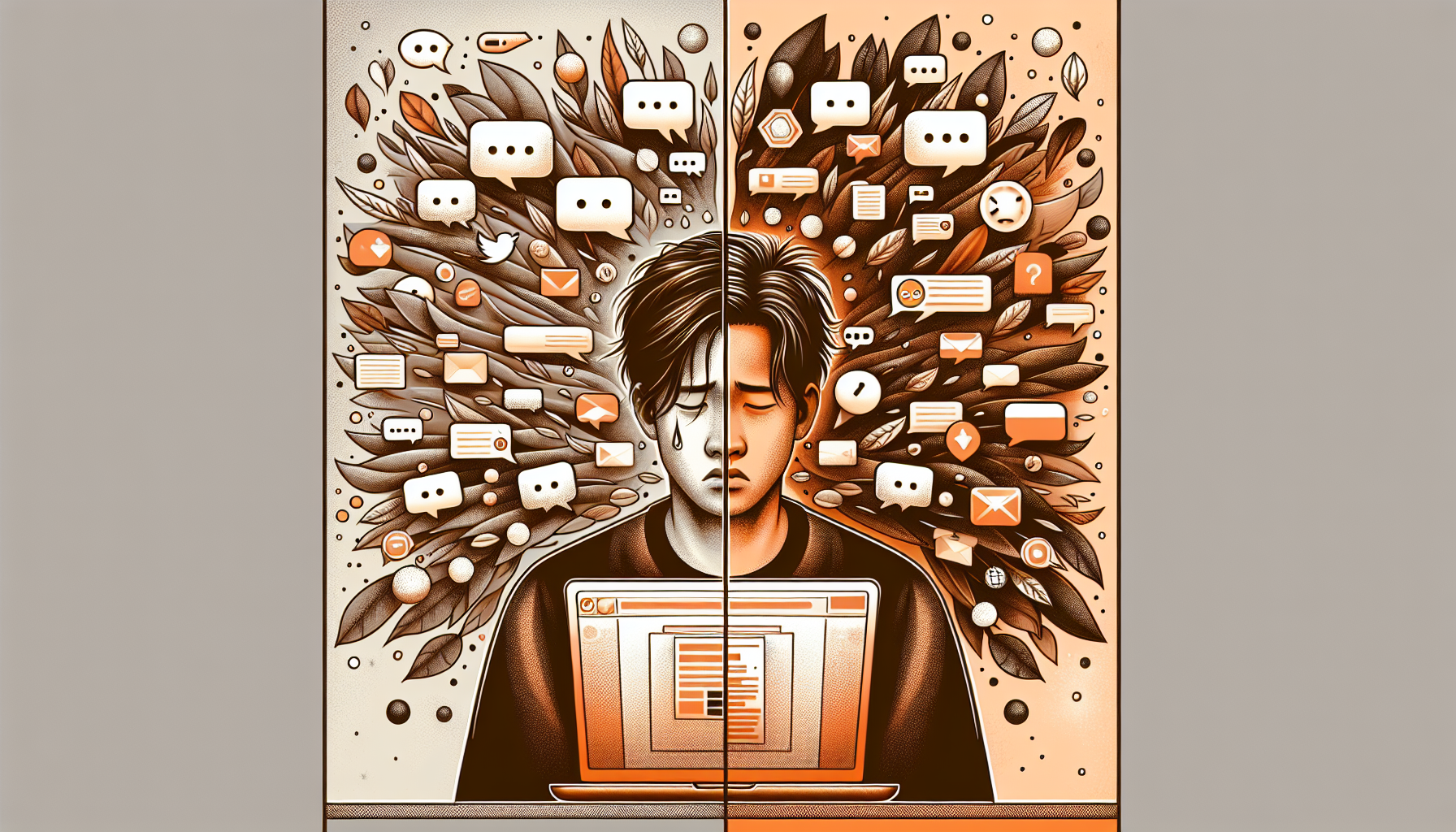
At customer number 340, I nearly quit. I was spending 6 hours a day answering the same 15 questions, my response time had ballooned to 14 hours, and I got my first one-star review that simply said 'support is non-existent.' That was the week I decided to scale customer support AI into every corner of my business — and it changed everything.
- The Breaking Point: When Manual Support Almost Killed My Business
- My Exact AI Support Stack (And What It Costs)
- The Numbers After 6 Months: What Actually Changed
- FAQ
- Conclusion
The Breaking Point: When Manual Support Almost Killed My Business
Let me paint the picture. I run a SaaS tool for freelance designers. By month eight, I had 340 paying customers at $29/month — roughly $9,800 MRR. Sounds great, right? Except I was personally answering every single support ticket. Onboarding questions, billing issues, 'how do I export this?' messages at 2 AM from someone in a different timezone.
I hired a part-time VA for $1,500/month. She was lovely. She also couldn't handle the technical questions, which made up about 60% of tickets. So now I was paying $1,500 AND still spending 4 hours a day on support.
That's when a founder friend told me to stop thinking about hiring and start thinking about how to scale customer support AI-first. His exact words: 'You don't need another person reading your docs. You need a bot that already memorized them.'
He was right, but my first attempt was embarrassingly bad. I set up a basic chatbot with canned responses. Customers hated it. It felt like screaming into a void. My CSAT score dropped from 4.2 to 3.1 in two weeks. I ripped it out. But I learned something crucial: bad AI support is worse than slow human support. The key isn't just deploying AI — it's deploying it intelligently.
My Exact AI Support Stack (And What It Costs)
After the chatbot disaster, I spent a weekend rebuilding everything from scratch. Here's what actually works now.
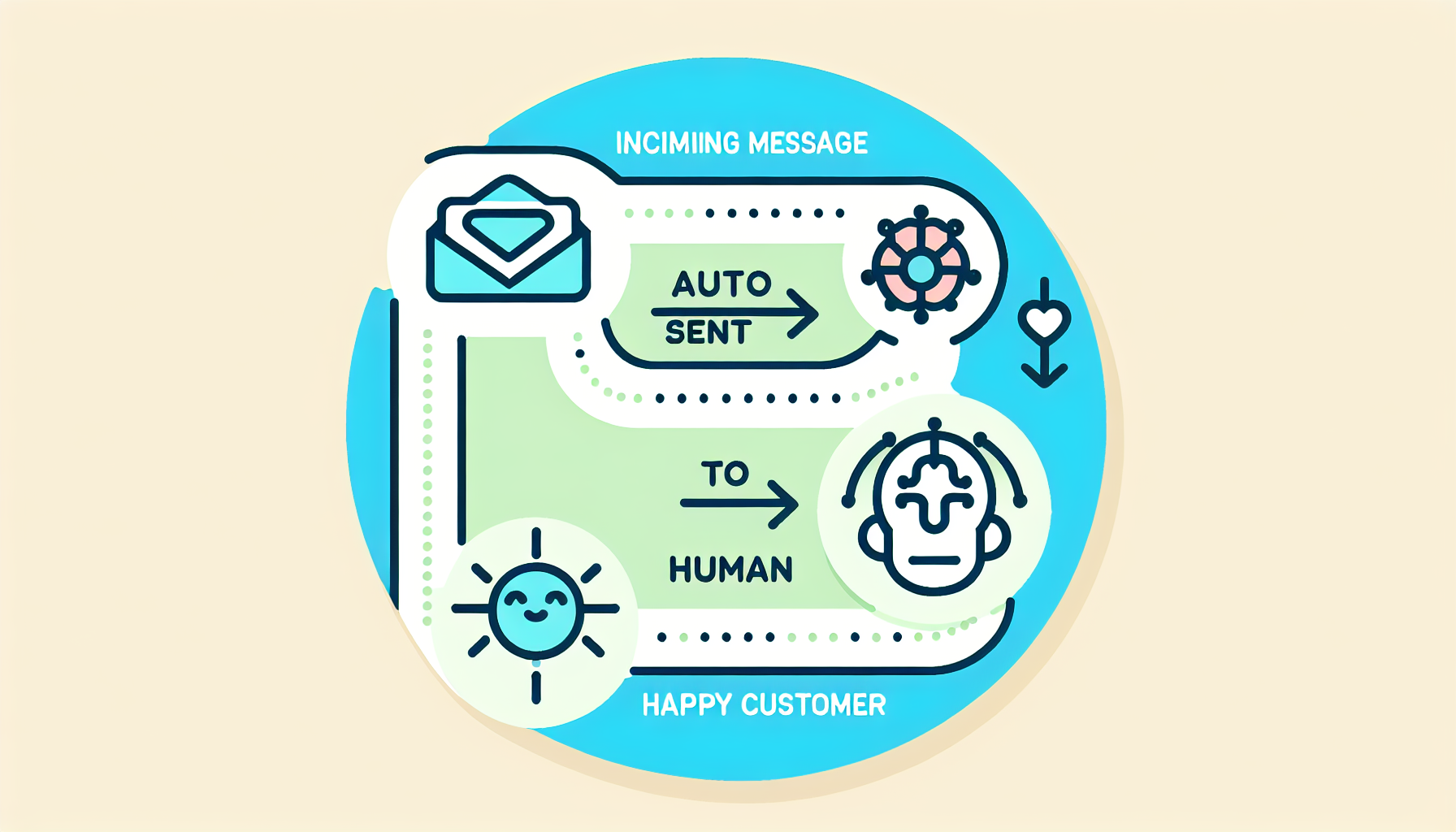
First, I fed my entire knowledge base — 87 help articles, 12 video transcripts, and 2,000 previous support conversations — into a Claude API-powered assistant. This wasn't a weekend project; it took about 3 days of prompt tuning. The trick was giving Claude specific instructions: answer from the docs, never make up features that don't exist, and gracefully hand off to a human when confidence is low.
Second, I connected it to my helpdesk using Make.com (formerly Integromat) so every incoming ticket gets an AI-drafted response before I even see it. About 73% of those drafts go out with zero edits. The remaining 27% need a human touch — usually billing disputes or bug reports.
Third — and this was the game-changer — I added a proactive onboarding flow. When someone signs up, they get a guided AI chat that walks them through setup. Onboarding tickets dropped 81%.
Here's my monthly cost breakdown: - Claude API: ~$140/month - Make.com automations: $29/month - Helpdesk (Crisp): $25/month - Total: ~$194/month
That replaced a $1,500/month VA who couldn't handle most of the volume anyway. If you want to scale customer support AI affordably, the API-plus-automation approach beats any enterprise chatbot platform I've tested.
The Numbers After 6 Months: What Actually Changed
I'm a numbers person, so let me give you the honest before-and-after.
At 340 customers (before AI): Average response time was 14 hours. I spent 6 hours/day on support. CSAT was 4.2 (and falling). Support cost: ~$3,000/month counting my time and the VA.
At 1,000 customers (with AI): Average response time is 2 minutes for AI-handled tickets, 47 minutes for human-escalated ones. I spend 45 minutes per day reviewing escalations. CSAT is 4.6. Support cost: $194/month in tools.
That's a 93% reduction in my time and a 94% drop in cost — while tripling my customer base and improving satisfaction. My churn rate dropped from 8.2% to 4.7%, which I partially attribute to faster support.
But I want to be honest about the failures too. The AI occasionally hallucinates a feature we don't have. It happened three times last month. Each time, I had to personally apologize and fix the expectation. I've gotten better at prompt guardrails, but it's not perfect. Also, about 5% of customers explicitly ask for a human immediately. I always honor that. Trying to force people through AI when they don't want it is a fast track to losing them.
The real unlock when you scale customer support AI isn't eliminating humans. It's freeing up human time for the interactions that actually matter — the tricky bugs, the upset customer who needs empathy, the enterprise lead asking about custom integrations. AI handles the repetitive 73%. You handle the meaningful 27%.
That ratio is where the magic lives.
❓ FAQ
Q: How long does it take to set up AI support from scratch?
A: Expect about 3-5 days if you already have documentation. The first day is feeding your knowledge base into the API. The next 2-3 days are prompt tuning and testing edge cases. If you don't have good docs yet, add a week for that — but you'd need those for human agents too.
Q: Will customers get angry that they're talking to a bot?
A: Some will, if you try to hide it. I'm upfront: 'This is our AI assistant — it can answer most questions instantly, or connect you with me directly.' Transparency plus fast answers beats a human who takes 14 hours. My CSAT actually went up after deploying AI.
Q: What if my product is too complex for AI support?
A: That's what I thought too. The secret is letting AI handle the simple-but-frequent stuff (password resets, how-to questions, billing inquiries) and routing complex issues to humans. Even if AI only handles 50% of your tickets, that's 50% of your time back. You don't need perfection to scale customer support AI effectively.
Conclusion
Scaling support didn't require a team of ten or an enterprise budget. It required the right AI tools, honest prompt engineering, and the willingness to fail publicly with a bad chatbot before getting it right. If you're stuck somewhere between 200 and 500 customers and drowning in tickets, this is your sign to start building. The Claude API plus a simple automation layer like Make.com can get you surprisingly far, surprisingly fast. Start small, measure everything, and don't be afraid to let the AI be imperfect — it just needs to be better than no response at all.